What Federal Cannabis Rescheduling Means
Federal law classifies controlled substances into different schedules. These schedules are used to regulate substances based on factors such as accepted medical use, potential for abuse, and safety concerns.
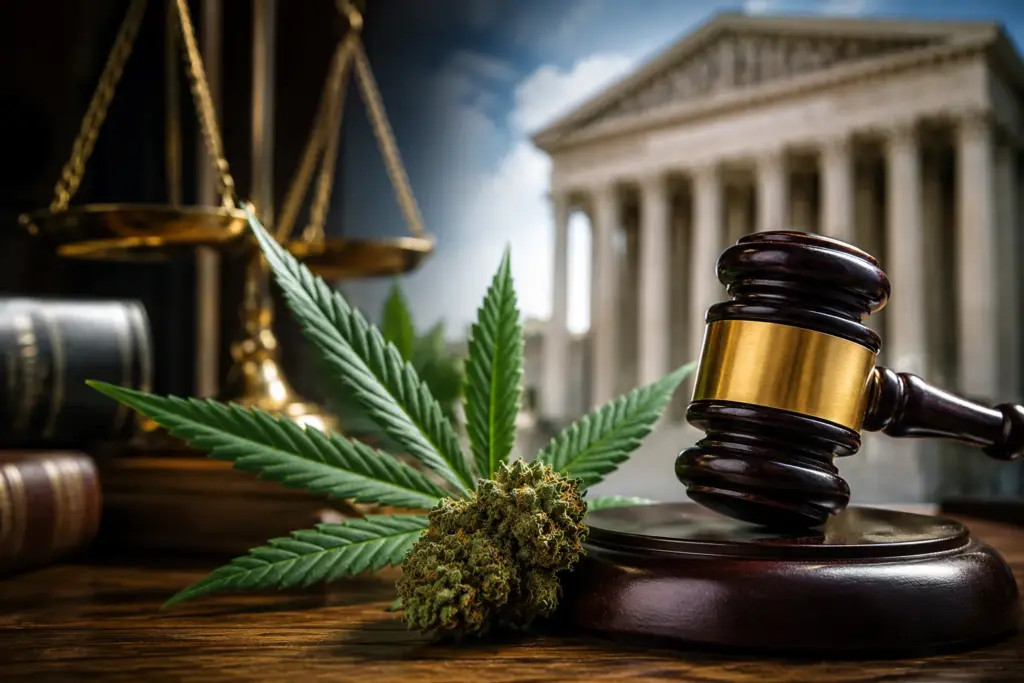
For many years, marijuana was treated as a Schedule One controlled substance under federal law. Schedule One is the most restrictive classification. Moving certain cannabis products into Schedule Three reflects a significant shift in how the federal government views those products.
That does not mean cannabis is now unregulated.
A Schedule Three controlled substance is still a controlled substance. Possession, distribution, manufacturing, and dispensing can still create legal problems if they happen outside the permitted framework. In other words, rescheduling changes the category. It does not remove all restrictions.
For Pennsylvania residents, this means the details still matter. A registered medical cannabis patient may be in a different legal position than someone who possesses cannabis outside the medical program. A licensed medical cannabis business may be treated differently than an unlicensed seller. A person facing a driving under the influence charge may have a different legal issue than someone trying to clear an old record.
Rescheduling is important, but it is not a blanket permission to possess, use, grow, transport, or sell cannabis.
Rescheduling Is Not Legalization
The biggest misunderstanding is that rescheduling means cannabis is now federally legal. It does not.
Legalization would mean cannabis is broadly permitted under federal law. Descheduling would mean cannabis has been removed from the federal controlled substance schedules altogether. Rescheduling is more limited. It changes how certain cannabis products are classified, but it does not eliminate every federal restriction.
This is especially important for Pennsylvania medical cannabis patients. A medical marijuana card may provide protection under Pennsylvania’s medical cannabis program, but it does not make every cannabis related act lawful. Pennsylvania still controls who may participate in the program, what products may be used, where products may be obtained, and what conduct remains prohibited.
Federal law may also continue to matter when cannabis issues involve federal property, interstate travel, firearm possession, immigration status, federal employment, probation, parole, supervised release, or a federal criminal case.
A person who assumes that rescheduling means legalization could still face an arrest, a criminal charge, or a violation of supervision.
Rescheduling Does Not Erase Criminal Convictions
Many people in Pennsylvania still live with the consequences of old cannabis cases. A criminal record can affect employment, housing, education, professional licensing, immigration status, firearm rights, and family stability. Even a case from years ago can continue to appear on background checks.
Federal cannabis rescheduling does not automatically erase those records.
In Pennsylvania, record clearing usually requires a separate legal process. Depending on the case, a person may need to pursue expungement, limited access, clean slate relief, a pardon, or another form of post-conviction relief. The available options depend on the charge, the grading of the offense, the final outcome, the person’s full criminal history, and how much time has passed.
A dismissed charge may be treated differently than a conviction. A summary offense may be treated differently than a misdemeanor. A felony conviction may require a pardon before expungement is available.
This is why individual review matters. Rescheduling may support the broader argument that old cannabis conduct should not continue to limit a person’s future, but it does not replace the legal steps required to clear or limit access to a record.
Rescheduling Does Not Commute Sentences
Federal cannabis rescheduling also does not automatically commute federal or state sentences.
People serving sentences for cannabis related offenses may hope that a federal scheduling change will immediately shorten their sentence or result in release. In most cases, that will not happen automatically.
Sentence relief usually requires a separate legal mechanism. Depending on the case, that may involve an appeal, a post-conviction petition, a motion for reconsideration, a commutation request, a pardon application, or another available remedy.
A federal scheduling change also does not automatically override a Pennsylvania sentence. State court convictions and sentences remain in place unless a court, board, or executive authority grants relief through the proper process.
That does not mean rescheduling is irrelevant. In some cases, it may become part of a broader argument for relief. It may help explain why an old conviction no longer reflects current medical understanding or current public policy. It may also be relevant in pardon or clemency discussions.
Still, the change itself does not automatically reopen every case.
Rescheduling Does Not Create Expungement Rights
Expungement is a specific legal remedy. It is not automatic simply because cannabis law has changed.
Pennsylvania has its own rules for expungement, limited access, clean slate relief, and pardons. Some people may already qualify for record clearing. Others may not qualify unless they first receive a pardon. Some people may have multiple cases that need to be reviewed separately. Others may have records that are eligible for partial relief, but not complete removal.
This is especially important for people applying for jobs, housing, educational programs, professional licenses, or firearm rights. A person should not assume that an old cannabis case has been cleared because federal law has changed. Unless relief has actually been granted, the record may still exist.
Rescheduling may influence how courts, pardon boards, and lawmakers view certain cannabis offenses in the future. It does not, by itself, erase the past.
Rescheduling Does Not Allow Home Cultivation in Pennsylvania
Federal rescheduling does not give Pennsylvania medical cannabis patients the right to grow cannabis at home.
Home cultivation rights come from state law. If Pennsylvania law does not allow medical cannabis patients to grow cannabis at home, federal rescheduling does not automatically create that right.
This is one of the most common areas of confusion. Some patients understandably believe that recognized medical use should include the ability to grow cannabis for personal medical treatment. That may be a policy argument, but it is not the same as current legal permission.
Growing cannabis without authorization can still create serious criminal exposure in Pennsylvania. Medical cannabis patients should continue following the rules of Pennsylvania’s medical marijuana program.
Why This Matters for Pennsylvania Driving Under the Influence Cases
One of the most important questions is how federal rescheduling may affect Pennsylvania driving under the influence cases involving medical cannabis.
Pennsylvania has long been a difficult state for medical cannabis patients who drive. A person may be a lawful medical cannabis patient and still face a driving under the influence charge based on cannabis related compounds found in a blood test.
This creates a serious fairness concern. Cannabis can remain detectable in the body after the period of impairment has passed. A patient may use medical cannabis legally, wait before driving, feel capable of driving, and still face prosecution based on testing.
Rescheduling may create new legal arguments in some cases. It may encourage courts to reconsider how medical cannabis patients are treated, particularly when the issue is not actual impairment but the presence of cannabis in the body.
That does not mean patients should assume they are protected from a driving under the influence arrest. Until Pennsylvania law changes or appellate courts provide clearer guidance, medical cannabis patients may still face serious consequences.
Those consequences can include license suspension, fines, probation, treatment requirements, increased insurance costs, employment problems, and a permanent criminal record.
Why This Matters for Firearm Rights
Cannabis rescheduling also raises important questions about firearm rights.
For years, medical cannabis patients have faced a difficult conflict. Pennsylvania may authorize a person to use medical cannabis, while federal law may still create problems for firearm possession. This has placed many patients in an uncertain position, especially those who value both medical treatment and Second Amendment rights.
Rescheduling may affect some legal arguments in this area, but it does not automatically eliminate every risk. Firearm cases are highly fact specific. The outcome may depend on the person’s medical cannabis status, the timing of the conduct, the specific charge, whether the case is in state or federal court, and how courts interpret the law.
A person facing a cannabis related firearm issue should not rely on general assumptions. These cases require careful review because the consequences can be severe.
What Pennsylvanians Should Understand
The law is changing, but the practical risks remain real.
Rescheduling is not legalization. Medical cannabis patients can still face driving under the influence charges. Old cannabis convictions do not automatically disappear. Home cultivation is not automatically allowed. Firearm rights issues remain complicated. Federal and Pennsylvania law may still conflict.
The safest approach is to avoid assumptions. A headline about federal cannabis reform may not explain how the law applies to a traffic stop, a probation condition, a firearm purchase, an old conviction, or a pending criminal case.
Why Experience Matters in Cannabis Related Criminal Defense
Cannabis related criminal cases often involve far more than simple possession. They may include search and seizure issues, vehicle stops, blood testing, laboratory evidence, medical records, firearm allegations, probation violations, and conflicts between state and federal law.
In these cases, the facts matter. How the police stopped the vehicle matters. How the search was conducted matters. What the blood test actually shows matters. Whether the person was a lawful medical cannabis patient matters. Whether the case is in state court or federal court matters.
The law may be changing, but the government still has to prove its case. In some cases, rescheduling may create new arguments. In others, the defense may turn on constitutional issues, scientific evidence, or whether law enforcement followed the proper procedures.
For someone facing a cannabis related criminal charge, the question is not only whether the law has changed. The question is how that change applies to the facts of the case.
Frequently Asked Questions
What is federal cannabis rescheduling?
Federal cannabis rescheduling is a change in how certain cannabis products are classified under federal controlled substance law. It may affect medical recognition, research, taxation, and regulation, but it does not mean cannabis is fully legal under federal law.
Is cannabis now federally legal?
No. Rescheduling is not the same as federal legalization. Cannabis remains regulated, and certain conduct may still violate federal or Pennsylvania law.
Does rescheduling erase old cannabis convictions?
No. Rescheduling does not automatically erase prior convictions. A person with a cannabis related record may need to pursue expungement, limited access, clean slate relief, a pardon, or another legal remedy.
Does rescheduling release people from prison?
No. Rescheduling does not automatically commute sentences or release people from custody. Sentence relief usually requires a separate legal process.
Can Pennsylvania medical cannabis patients grow cannabis at home?
No. Federal rescheduling does not create home cultivation rights in Pennsylvania. Home cultivation depends on Pennsylvania law, and unauthorized growing can still lead to criminal charges.
Can a Pennsylvania medical cannabis patient still be charged with driving under the influence?
Yes. A medical cannabis patient can still face a driving under the influence charge in Pennsylvania. Rescheduling does not automatically change Pennsylvania driving under the influence law.
Does rescheduling restore firearm rights for medical cannabis patients?
Not automatically. Cannabis related firearm issues remain complicated and fact specific. Anyone facing a firearm issue connected to medical cannabis should have the situation reviewed carefully.
What should someone do if they have a cannabis related criminal case in Pennsylvania?
A person facing a cannabis related charge should speak with an experienced criminal defense attorney. Rescheduling may matter, but the effect depends on the facts, the charge, the court, and the timing of the case.
The Bottom Line
Federal cannabis rescheduling is a major development, but it is not a complete solution. It does not legalize cannabis for all purposes. It does not automatically clear criminal records. It does not commute sentences. It does not create new home cultivation rights for Pennsylvania medical cannabis patients. It does not eliminate every driving under the influence or firearm risk.
For Pennsylvanians, the most important point is caution. Cannabis law is changing, but the consequences of misunderstanding the law can still be serious.
PKN Law represents clients in drug cases, driving under the influence cases, firearm offenses, federal criminal defense matters, appeals, and post-conviction proceedings throughout Pennsylvania.
To schedule a consultation, contact PKN Law at (412) 454-5582 or visit patricknightingale.com.