What Pennsylvania Drivers Should Know
A driving under the influence stop in Pennsylvania can become serious very quickly. What may begin as a traffic stop can turn into questions about alcohol, controlled substances, field sobriety exercises, and chemical testing.
One issue that often causes confusion is Pennsylvania’s implied consent law. Many drivers do not fully understand what it means, when it applies, or what can happen if they refuse a breath test or blood test.
In Pennsylvania, implied consent means that a person who drives, operates, or is in actual physical control of a vehicle is considered to have consented to chemical testing under certain circumstances. If a law enforcement officer has reasonable grounds to believe that a driver may be under the influence of alcohol or a controlled substance, the officer may request chemical testing.
Refusing a properly requested chemical test can have serious consequences. A refusal may result in a driver’s license suspension and may also affect how the driving under the influence case is handled in court.
At PKN Law, Patrick Nightingale represents individuals facing driving under the influence charges, chemical test refusal issues, and related criminal allegations throughout Pennsylvania. With more than 24 years of experience as both a former prosecutor and criminal defense attorney, Patrick understands how these cases are investigated, prosecuted, and defended.
What Is Implied Consent in Pennsylvania?
Pennsylvania’s implied consent law is based on the idea that driving is a privilege that carries legal responsibilities. When someone drives on Pennsylvania roads, the law treats that person as having given consent to chemical testing if certain conditions are met.
This does not mean that every request for testing is automatically valid. Police must still follow the law. The officer must have reasonable grounds to believe that the person was driving, operating, or in actual physical control of a vehicle while under the influence. The request for testing must also be handled properly.
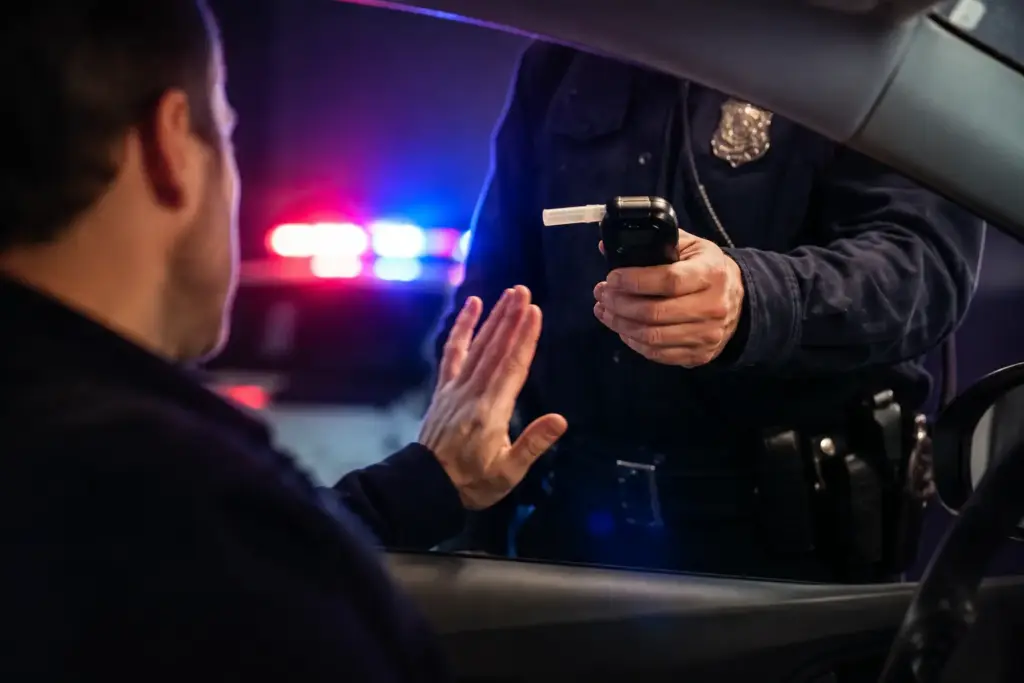
In many cases, implied consent becomes an issue after a traffic stop, accident investigation, or roadside encounter. The officer may claim to observe signs of impairment, such as unsafe driving, the odor of alcohol, slurred speech, bloodshot eyes, poor coordination, or other behavior. Based on those observations, the officer may request a breath test or blood test.
The key point is that implied consent is not just about whether a driver refused testing. It is also about whether the officer had a lawful basis to request the test in the first place.
What Happens If You Refuse a Breath Test or Blood Test?
A chemical test refusal can create consequences separate from the criminal driving under the influence charge. If the refusal is legally valid, the Pennsylvania Department of Transportation may impose a license suspension.
A refusal may also affect the criminal case. In some situations, refusing chemical testing can expose a person to more serious consequences if they are convicted or enter a plea. This is one reason refusal cases should be reviewed carefully and early.
It is also important to understand that refusing a chemical test does not automatically make the criminal case go away. The Commonwealth may still attempt to prove driving under the influence using other evidence. That evidence may include the officer’s observations, driving behavior, field sobriety exercises, statements made during the stop, video footage, witness statements, or evidence from an accident investigation.
At the same time, a refusal does not mean the case is hopeless. The lawfulness of the stop, the officer’s observations, the request for testing, the warnings provided, and the alleged refusal itself may all be important issues.
Why the Traffic Stop Matters
Every driving under the influence case should begin with a careful look at why the vehicle was stopped.
Police generally need a lawful reason to stop a driver. That reason may involve a traffic violation, equipment issue, accident investigation, or another legally recognized basis. If the stop was not lawful, evidence gathered after the stop may be challenged.
This matters in implied consent cases because the request for chemical testing usually happens after the traffic stop has already occurred. If the stop was not legally supported, the later parts of the case may also be affected.
A police report may say that the officer observed a violation or signs of impairment, but that does not always tell the full story. Video footage, witness information, dispatch records, and the timeline of events may provide important context. Small details can make a meaningful difference in a driving under the influence case.
What Are Reasonable Grounds?
Before an officer can request chemical testing under Pennsylvania’s implied consent law, the officer must have reasonable grounds to believe that the driver was under the influence.
Reasonable grounds depends on the facts. Officers may rely on observations such as the odor of alcohol, slurred speech, unsafe driving, glassy eyes, admissions of drinking, or performance on field sobriety exercises.
However, those observations are not always as simple as they may appear in a report. A person may be nervous because being stopped by police is stressful. Bloodshot eyes may be caused by fatigue, allergies, or medical issues. Balance problems may be related to injuries, footwear, weather, uneven pavement, or physical limitations. Speech patterns may be affected by anxiety or other conditions unrelated to impairment.
This is why a driving under the influence case should not be reduced to one line in a police report. The facts need to be reviewed carefully and in context.
The Importance of Refusal Warnings
In Pennsylvania, officers are required to warn drivers about certain consequences of refusing chemical testing. These warnings matter because refusal can affect both a person’s license and the criminal case.
The warning process is often one of the most important parts of an implied consent case. A driver may be scared, confused, injured, overwhelmed, or unsure about what is being requested. Some drivers may not understand the difference between a roadside screening test and a formal chemical test. Others may ask questions, hesitate, or ask to speak with an attorney.
In some cases, police may claim that a person refused even though the situation was not clear. A refusal may be based on words, conduct, delay, silence, or an alleged failure to provide an adequate sample.
That is why the exact facts matter. The defense may need to examine whether the officer gave the proper warnings, whether the request was clear, whether the driver understood what was being asked, and whether the driver actually refused.
A chemical test refusal is not always as simple as someone saying no.
Breath Tests and Blood Tests
Implied consent cases may involve breath testing or blood testing. The type of test can affect the legal issues in the case.
Breath testing is often used in alcohol related cases. Blood testing may be requested when officers suspect controlled substances, a combination of alcohol and drugs, or circumstances where blood testing is considered more appropriate.
Blood testing may involve additional issues, including consent, warrants, hospital procedures, chain of custody, laboratory testing, and interpretation of results. In controlled substance cases, the presence of a substance does not always answer every question about impairment, timing, or the person’s condition at the time of driving.
A test result may look straightforward, but the legal issues behind it may be more complicated.
Can the Commonwealth Still Prosecute Without a Chemical Test?
Yes. The Commonwealth may still prosecute a driving under the influence case even when there is no completed chemical test.
Without a chemical test result, prosecutors may rely more heavily on other evidence, such as officer testimony, video footage, field sobriety exercises, driving behavior, statements, or accident evidence.
That does not mean the Commonwealth can automatically prove the case. The prosecution still has the burden of proof. The officer’s observations, the conditions of the stop, the reliability of field sobriety exercises, and the consistency of the evidence may all be challenged.
Every case depends on its facts.
The Criminal Case and the License Consequences
One of the most stressful parts of a refusal case is that a person may face both a criminal case and driver’s license consequences.
The criminal case is handled in court. It may involve hearings, motions, negotiations, trial, sentencing, or other court proceedings.
The license consequences may involve the Pennsylvania Department of Transportation. A refusal suspension can create real problems for people who need to drive for work, school, family responsibilities, medical appointments, or daily life.
Because these issues can move on different tracks, it is important to speak with an attorney as early as possible. Waiting too long may limit available options.
A strong defense strategy should look at the full situation, including the criminal charge, license consequences, prior record, employment concerns, family responsibilities, and long term impact.
Why Experience Matters in Pennsylvania Driving Under the Influence Defense
Driving under the influence defense requires more than a surface level review of the charge. These cases often turn on details that may not be obvious at first.
Patrick Nightingale has more than 24 years of criminal law experience. His background as both a former prosecutor and criminal defense attorney gives him insight into how the Commonwealth builds these cases and where the evidence may be vulnerable.
In implied consent cases, important questions may include whether the stop was lawful, whether the officer had reasonable grounds, whether proper warnings were given, whether there was an actual refusal, and whether the Commonwealth can prove impairment.
At PKN Law, clients receive careful, strategic representation from an attorney who understands what is at stake.
What Should You Do After a Chemical Test Refusal?
After a driving under the influence arrest or chemical test refusal, it is important not to guess about your rights or options. These cases can involve strict deadlines, court proceedings, license consequences, and long term concerns.
If you received paperwork from police, the court, or the Pennsylvania Department of Transportation, keep it in a safe place. Try to write down what you remember while the details are still fresh. This may include why you believe you were stopped, what the officer said, whether testing was requested, what warnings were given, and whether there were any medical or physical issues that affected what happened.
The sooner an attorney can review the facts, the sooner potential issues can be identified.
Frequently Asked Questions About Pennsylvania Implied Consent
What is implied consent in Pennsylvania?
Implied consent means that Pennsylvania drivers are considered to have consented to chemical testing under certain circumstances when police have reasonable grounds to believe the driver was operating or in actual physical control of a vehicle while under the influence.
Can I lose my license for refusing a breath test or blood test?
Yes. If the chemical test was properly requested and the refusal is legally valid, the Pennsylvania Department of Transportation may impose a license suspension. The exact consequences depend on the facts of the case and the person’s history.
Can I still be charged if I refused chemical testing?
Yes. Refusing chemical testing does not automatically prevent a driving under the influence prosecution. The Commonwealth may still rely on officer observations, driving behavior, video footage, statements, field sobriety exercises, or other evidence.
Is every refusal legally valid?
No. A refusal may be challenged depending on the facts. Important issues may include the legality of the stop, whether the officer had reasonable grounds, whether proper warnings were given, and whether the driver actually refused.
What if I was confused or asked questions?
Confusion, hesitation, questions, or requests to speak with an attorney can create complicated issues in refusal cases. These details should be reviewed carefully by an experienced defense attorney.
Does implied consent apply to every police encounter?
No. Implied consent applies only when specific legal requirements are met. The officer must have reasonable grounds, and the request for chemical testing must comply with Pennsylvania law.
What should I do if I am facing a driving under the influence refusal case?
You should speak with an experienced criminal defense attorney as soon as possible. A refusal case may involve both criminal court proceedings and license consequences.
Speak With a Pennsylvania Driving Under the Influence Defense Attorney
A chemical test refusal can feel overwhelming, especially when your license, record, employment, and future may be at stake. However, a refusal allegation does not mean there are no defenses.
The Commonwealth must follow the law. The stop, the investigation, the request for testing, the warnings, and the alleged refusal should all be reviewed carefully.
PKN Law represents individuals facing driving under the influence charges, chemical test refusal issues, and related criminal allegations in Pennsylvania. Patrick Nightingale brings decades of courtroom experience, including his background as a former prosecutor, to every case he handles.
To schedule a consultation, call PKN Law at (412) 454-5582 or visit patricknightingale.com.